Valorant HWID Spoofer Explained
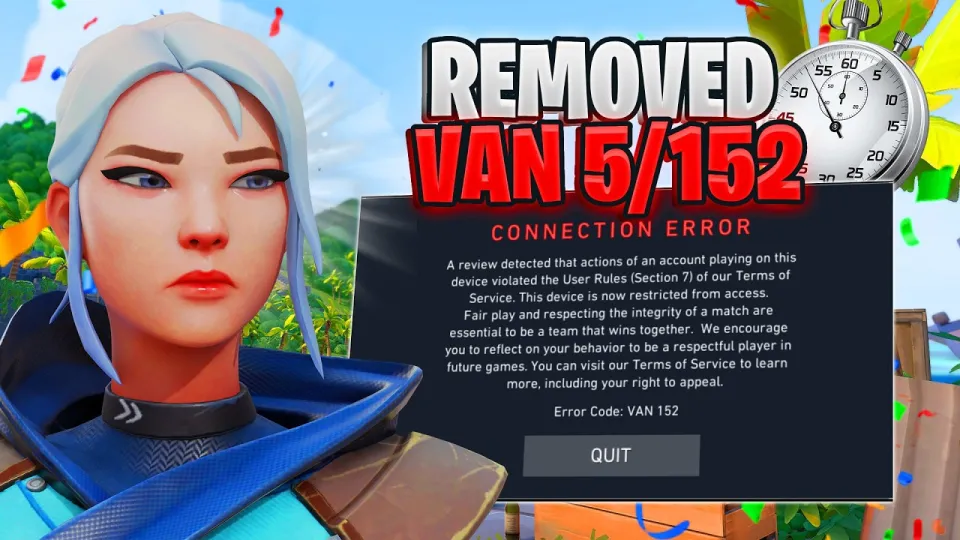
Video: This Valorant HWID Spoofer Actually Works… Full Showcase (Valorant Spoofer)
Key takeaways
- An HWID spoofer rewrites the hardware identifiers (disk serials, SMBIOS, MAC addresses, volume IDs) that anti-cheat systems use to recognize a banned PC.
- A Valorant HWID ban is tied to the machine, not just the account, so a new Riot account on the same hardware is usually flagged again.
- The SWR Solution tool showcased by medi__posh advertises a roughly 2-minute setup with a loader that applies the spoof before Valorant launches.
- Spoofing is a violation of Riot's terms of service: detected spoofers can lead to new hardware bans and permanent account closures.
- No spoofer is permanent: Vanguard updates continuously, so any tool's effectiveness is temporary and version-dependent.
A Valorant HWID spoofer is a tool that changes the hardware identifiers Windows reports to anti-cheat software, so a machine previously flagged with a hardware ban can appear to be a different PC. The tool shown in the showcase, distributed through the SWR Solution product page, advertises a roughly two-minute setup that applies the spoof before Valorant launches. Whether it works on your system depends on the anti-cheat version it was built against and on how thoroughly it rewrites the identifiers Vanguard collects.
What an HWID ban in Valorant actually blocks
Riot's hardware ban targets the machine rather than the account, which is why simply registering a new Riot ID rarely solves the problem. When Vanguard issues a hardware-level restriction, it links the ban to a set of identifiers collected from the PC: the serial numbers of storage drives, the SMBIOS and motherboard UUID, the Windows volume ID, network adapter MAC addresses, and in some cases GPU and monitor data. These values are stable across account changes, reinstalls of Windows in the usual way, and even a fresh Valorant installation.
That is the gap spoofers are built to fill. Instead of removing the ban — which sits on Riot's servers, not on your computer — the tool makes the client report a different set of identifiers, so the server has nothing to match against an existing blacklist. Common techniques include hooking the Windows APIs that return disk and SMBIOS data, mounting a temporary virtual disk volume, randomizing the machine GUID in the registry, and changing the MAC address of the active network adapter. A full "perm" spoof persists after reboot; a temporary one resets when Windows restarts.
How the showcased spoofer is set up
The workflow in the medi__posh breakdown follows the pattern most of these loaders use, compressed into a short sequence of steps:
- Download the loader from the vendor page and, if Windows SmartScreen or Defender flags it, add an exclusion — a red flag in itself, since legitimate utilities rarely need one.
- Disable or pause real-time antivirus protection, because the API hooks the spoofer installs look identical to the behavior of malware.
- Run the loader as administrator so it can write to SMBIOS-adjacent registry keys and disk drivers.
- Select which identifiers to change — disk serials, volume ID, MAC address, machine GUID — and apply the spoof.
- Reboot if the tool requires it, then launch Valorant and log in with an account that is not itself banned.
The vendor advertises compatibility with all Windows versions, 24/7 Discord support, and updates for the current Valorant build. Those claims come from the seller, not from an independent test, and the only demonstration available is the creator's own recording.
Where spoofers fail against Vanguard
Vanguard runs as a kernel-level driver from the moment Windows boots, which changes the math for any hardware ID changer. Because it loads before most user-mode tools, it can inspect the system at a stage where hooks are not yet in place. Riot also maintains server-side detection for known spoofing signatures: if the identifiers a client reports look synthetic — a disk serial that matches a known spoof pattern, a machine GUID with an impossible format, a MAC address from a virtual adapter range — the account can be flagged even without a cheat running.
There is a second failure mode that has nothing to do with detection. Many spoofers break Windows activation, corrupt the boot configuration, or leave the network stack in a state that causes disconnects; recovering usually means a clean Windows install, which regenerates some identifiers anyway. And because Vanguard patches frequently, a tool that works on one build can stop working within weeks — which is why vendors sell subscriptions rather than one-time licenses.
The account and ban consequences
Using a spoofer is a breach of Riot's terms of service, and the penalty is not limited to the hardware. Riot has consistently treated evasion of a hardware ban as an aggravating factor: accounts logged in from a spoofed machine can be closed, and the new hardware profile can be added to the ban list once it is identified. Buying a fresh account to pair with the spoofer adds a second violation on top.
The practical arithmetic is worth stating plainly. A hardware ban is usually the end of a longer enforcement chain — a temporary suspension, then a permanent account ban, then the machine restriction. Evading the last step does not restore the earlier ones, and a detected spoof typically returns the player to the same place with less money and a broken Windows install.
Legitimate ways to play again
If the hardware ban came from a compromised account or a shared PC, Riot Support is the only route with a real chance of reversal; appeals are handled through a ticket, and the outcome depends on the evidence in the case. If the ban was earned, the honest options are a new PC, or playing Valorant on hardware that has never been flagged — a machine-level restriction is designed to make the alternative expensive on purpose.
For players who simply want to protect an account from future flags, the useful steps are unglamorous: enable two-factor authentication, avoid sharing the PC with anyone running cheats, keep Windows and drivers updated, and never install "unban" utilities that ask for administrator rights and an antivirus exclusion. Those requests are the same ones a credential stealer makes.
Links from the video
- Product page and loader: https://swrsolution.xyz/s/1a2841b5
- Vendor Discord support server: https://discord.com/invite/swrsolutionv3
Bottom line on Valorant spoofers
A Valorant HWID spoofer works by disguising the machine, not by lifting the ban, and the showcase from medi__posh demonstrates one vendor's loader rather than an audited solution. The setup is short — download, exclude from antivirus, run as admin, reboot, launch — but the risks are not: terms-of-service violations, repeat hardware bans, broken Windows installations, and the possibility that the tool stops working after the next Vanguard patch. Anyone considering it should weigh a temporary, detectable workaround against the cost of a clean install and a second ban. The product page linked above is at https://swrsolution.xyz/s/1a2841b5 if you want to read the vendor's own claims, and the full walkthrough is available on the medi__posh channel.
Source: This Valorant HWID Spoofer Actually Works… Full Showcase (Valorant Spoofer) · Markdown version
Questions & answers
Does a Valorant HWID spoofer remove my hardware ban?
No. The ban record stays on Riot's servers. A spoofer only changes the identifiers your PC reports, so Vanguard has nothing to match against its blacklist. If the new identifiers are recognized as synthetic, the machine can be flagged again.
How long does the setup take?
The vendor advertises about two minutes: download the loader, add an antivirus exclusion, run it as administrator, apply the spoof and reboot if required. The actual time depends on how many identifiers you change and whether Windows needs a restart.
Is using a spoofer against Riot's rules?
Yes. Evading a hardware ban violates the terms of service, and accounts used from a spoofed machine can be closed. Riot treats ban evasion as a separate offense from the one that produced the original hardware restriction.
Why do spoofers stop working after updates?
Vanguard is a kernel-level anti-cheat that loads at boot and is patched regularly. Each update can close the API hooks or detection gaps a spoofer relies on, which is why vendors ship frequent builds and sell subscriptions instead of permanent licenses.